Artificial Intelligence (AI) is rapidly transforming the power transmission industry by improving design accuracy, reducing engineering time, minimizing costs, and enhancing asset reliability. In modern transmission projects, particularly large-scale projects in Saudi Arabia such as 380kV and HVDC networks, AI is becoming an essential engineering tool rather than a futuristic concept.

Artificial Intelligence (AI) fundamentally transforms transmission line design by automating complex engineering processes, optimizing spatial routing, and simulating mechanical stress. Traditionally, designing one mile of high-voltage transmission line required roughly 150 hours of intensive manual calculation, whereas AI-driven automation frameworks can compress the timeline drastically, allowing rapid design iterations over vast geographical areas in a fraction of the time
Below are our most popolar and related posts
- 380kV BSP Projects Winners in 2025 in Saudi Arabia
- List of Contractors who Won Major BSP Projects in 2024 in KSA
- List of Top Substation contractors in KSA
- List of Contractors who Won Major OHTL Projects in 2024 in KSA
- SEC invited Bids for Synchronous Condenser Plants Phase II
- Extra High Voltage EHV Substation Design
- 380kV Gantries & Gantry Equipment
- Inside a 380kV BSP: Overall Layout Drawing Explained
- 380kV Gas-Insulated Switchgear (GIS)
- Power Transformers
- Auxiliary Transformer Sizing for a 380kV BSP
- Vector Group of Transformers
1. Route Optimization and Corridor Selection
Traditionally, transmission line route selection requires extensive field surveys and multiple engineering studies. AI algorithms can analyze thousands of geographical variables simultaneously, including:
- Terrain and topography
- Environmental restrictions
- Population density
- Existing infrastructure
- Geological risks
- Land acquisition constraints
Machine Learning (ML) models combined with GIS data can automatically generate optimized routes with minimum cost and environmental impact.
Benefits:
✔ Reduction in survey time by 50–70%
✔ Lower land acquisition costs
✔ Reduced environmental risks
2. Automatic Tower Spotting and Tower Type Selection
AI can determine optimal tower locations by analyzing:
- Elevation profiles
- Span lengths
- Clearance requirements
- Crossing conditions
- Wind and loading criteria
For projects involving F-Series, MF-Series, and SN-Series towers, AI can automatically recommend the most economical tower family.
Benefits:
✔ Faster tower spotting
✔ Reduced steel quantities
✔ Improved construction feasibility

3. Sag-Tension and Conductor Optimization
AI algorithms can optimize conductor selection by simultaneously considering:
- Capital cost
- Electrical losses
- Corona performance
- Ampacity requirements
- Future load growth
AI can also predict sag behavior under varying environmental conditions.
Example:
For a 380kV line, AI may determine whether ACSR, AAAC, or HTLS conductors provide the best lifecycle economics.

4. Wind and Weather Prediction
AI models use historical weather data and satellite information to predict:
- Extreme wind events
- Sandstorms
- Temperature variations
- Ice loading conditions
This is particularly useful for long transmission corridors in Saudi Arabia where desert environmental conditions significantly affect line design.
Applications:
- Dynamic Line Rating (DLR)
- Structural reliability assessment
- Emergency planning
5. Predictive Mechanical Design
Machine learning models can predict structural performance of towers under different loading scenarios.
AI can identify:
- Critical members
- High-stress regions
- Potential failure mechanisms
This reduces dependence on repeated manual iterations in structural software.
6. AI-Assisted PLS-CADD Design
Future versions of transmission line software are expected to integrate AI capabilities such as:
- Automatic tower spotting
- Optimized stringing sections
- Clearance verification
- Cost minimization
- Automatic generation of BOQ
Design engineers may eventually receive recommendations instantly instead of performing multiple manual iterations.
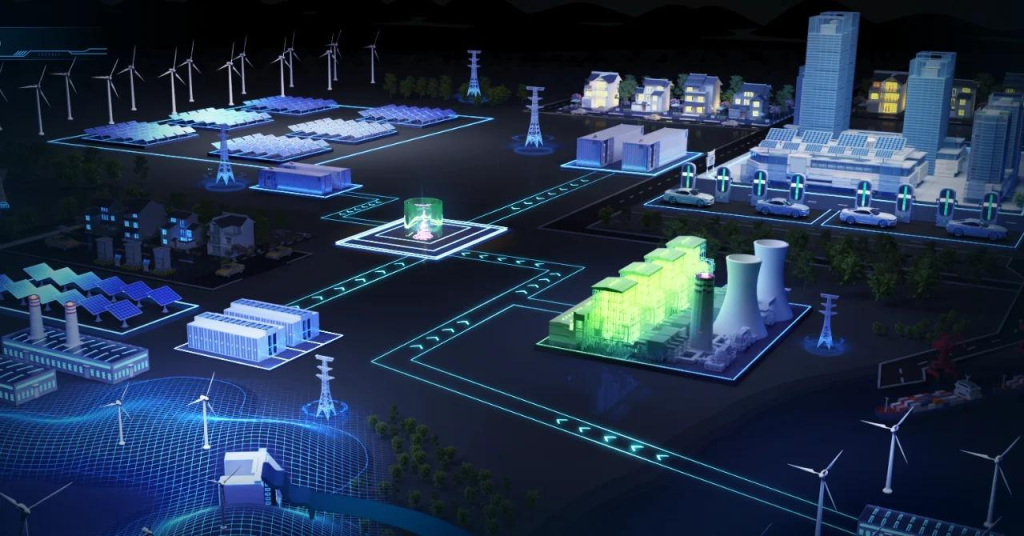
7. Digital Twin Technology
AI combined with Digital Twin technology enables creation of a virtual replica of the transmission line.
The digital model continuously receives data from:
- Sensors
- Weather stations
- Drones
- SCADA systems
This allows engineers to:
✔ Predict failures before they occur
✔ Optimize maintenance schedules
✔ Assess real-time line conditions
8. Drone-Based AI Inspection
Modern AI-powered drones can automatically detect:
- Broken insulators
- Corrosion
- Missing bolts
- Conductor strand damage
- Vegetation encroachment
- Hotspots using thermal cameras
Deep learning image recognition can identify defects with very high accuracy.

Benefits:
- Reduced inspection costs
- Improved safety
- Faster condition assessment
9. Cost Estimation and Tendering
For EPC and LSTK projects, AI can significantly improve tender preparation by:
- Predicting material quantities
- Estimating project costs
- Benchmarking historical bids
- Identifying procurement risks
- Optimizing project schedules
This application is particularly valuable for contractors involved in 380kV BSP, OHTL, and HVDC projects.
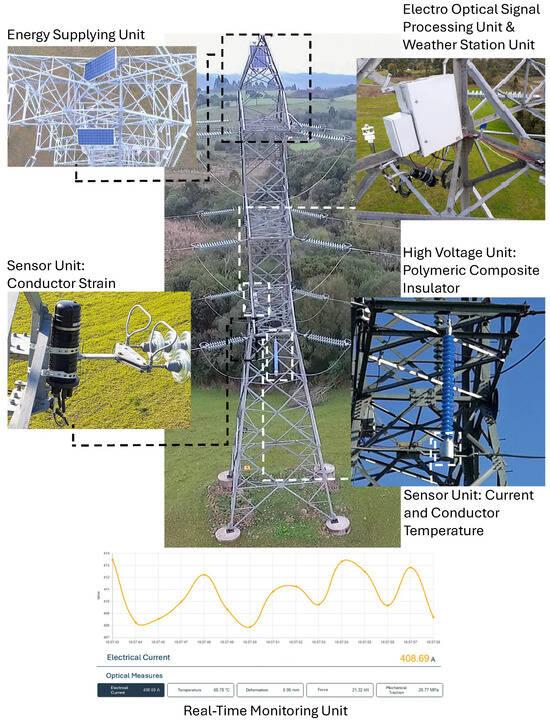
10. Predictive Asset Management
AI systems can estimate the remaining useful life of:
- Conductors
- Insulators
- Towers
- OPGW cables
- Foundations
Maintenance can therefore shift from:
Reactive Maintenance → Preventive Maintenance → Predictive Maintenance
Future of AI in Saudi Transmission Projects
Saudi Arabia’s Vision 2030 and massive renewable energy integration projects are accelerating the need for AI applications in transmission systems.
Future applications may include:
- Autonomous line design
- AI-generated PLS-CADD models
- Real-time Dynamic Line Rating
- AI-assisted HVDC network optimization
- Intelligent maintenance planning
- Self-healing transmission networks
Conclusion
Artificial Intelligence is reshaping transmission line engineering by improving efficiency, reducing project costs, and enhancing system reliability. For engineers involved in 380kV OHTL, HVDC, and renewable integration projects, understanding AI applications will become an essential skill over the next decade.
Keywords: Artificial Intelligence, Machine Learning, Transmission Line Design, PLS-CADD, Digital Twin, Dynamic Line Rating, Smart Grid, Saudi Arabia, OHTL Engineering, Predictive Maintenance.